کتاب متنی
امکان مطالعه در اپلیکیشن فیدیبو
دانلود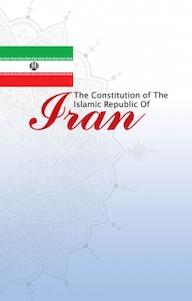
کتاب The constitution of the Islamic Republic of Iran نشر انتشارات بین المللی الهدی
فیدیپلاس
درباره The constitution of the Islamic Republic of Iran
Constitution is the highest legal document in every country and also a guide for compilation of other laws. Political principles, the structure of government and political hierarchy, status and the scope of political power have been specified in constitution. It also determines and guarantees the rights of citizens.
The formation of the concept of constitution in Iran dates back to mid 19th century. This period coincides with the middle years of Ghajar Dynasty in Iran (1783-1926) when the oppression and corruption expanded by the government and this led to the weakening of the foundation of government. On the other hand, other developments in the West as well as the role of Iranian students studying in western universities gradually made the middle class in Iran more conscious who requested civil liberties, social rights and establishment of judicial system. After the assassination of the Naseredin Shah in 1897, the power of the ruling authority was considerably weakened. When the next King, Mozafaredin Shah, came to power, public uprising to end the rule of the dictatorial government and the establishment of the judicial system started. Due to extensive public uprising, Mozafaredin Shah surrendered to the public's expectation and ordered a modern judicial system to be established in 1904. However, this order did not decrease public's dissatisfaction. People wanted to determine their own destiny and finally Mozafaredin Shah ordered a consultative assembly be established in 1905. The decisions of this assembly were implemented after the ratification of the King.
People continued uprising as they believed that the establishment of such assembly is insufficient. As the result, the king was forced to hold election and establish the first national parliament in Iran. The same parliament ratified the first constitution on 29 December 1907 consisting of 5 chapters and 51 articles. In 1921 Reza Shah, through the support of foreign colonial powers became prime minister through a coup. Reza Shah finally abolished Ghajar Dynasty in 1926 and established Pahlavi Dynasty. After the establishment of Pahlavi rule, lack of freedom, oppression and dictatorship increased considerably. Both Reza Shah and his son, the successor of Pahlavi Dynasty, changed different articles of the constitution in order to increase their dominance over society. As the result, the power to dissolve both parliament and senate was given to the king.
- از متن کتاب -
دستهها:
شناسنامه
| فرمت محتوا | epub |
| حجم | 748.۵۱ کیلوبایت |
| تعداد صفحات | 92 صفحه |
| زمان تقریبی مطالعه | ۰۰:۰۰ |
| مترجم | گروه مترجمان |
| ناشر | انتشارات بین المللی الهدی |
| زبان | فارسی |
| عنوان انگلیسی | The constitution of the Islamic Republic of Iran |
| تاریخ انتشار | ۱۴۰۱/۰۸/۱۵ |
| قیمت ارزی | 3 دلار |
| مطالعه و دانلود فایل | فقط در فیدیبو |
اطلاعات کتاب
نقد و امتیاز من
بقیه را از نظرت باخبر کن:
گذاشتن این عنوان در...
قفسههای من
نشانشدهها
مطالعهشدهها